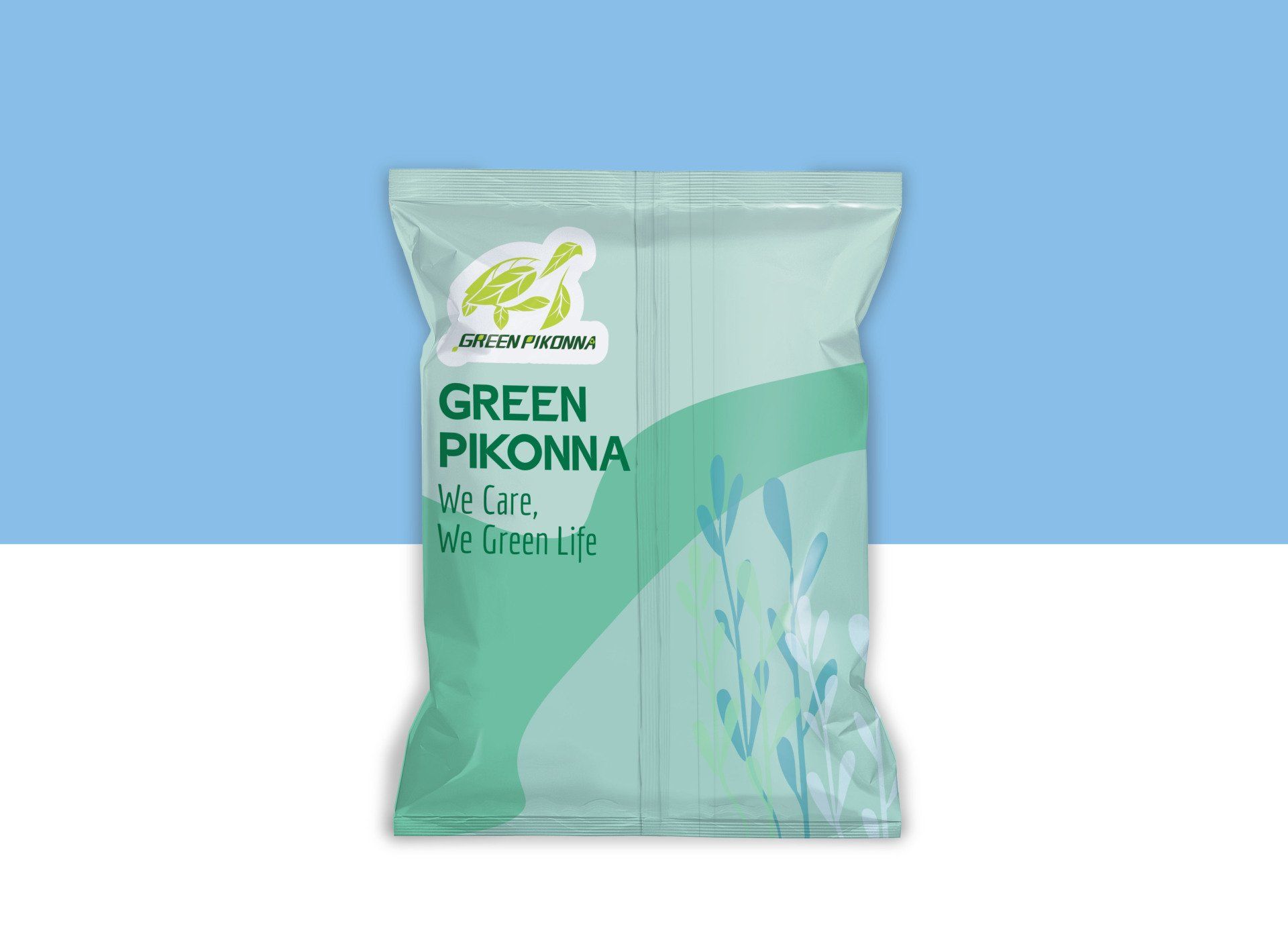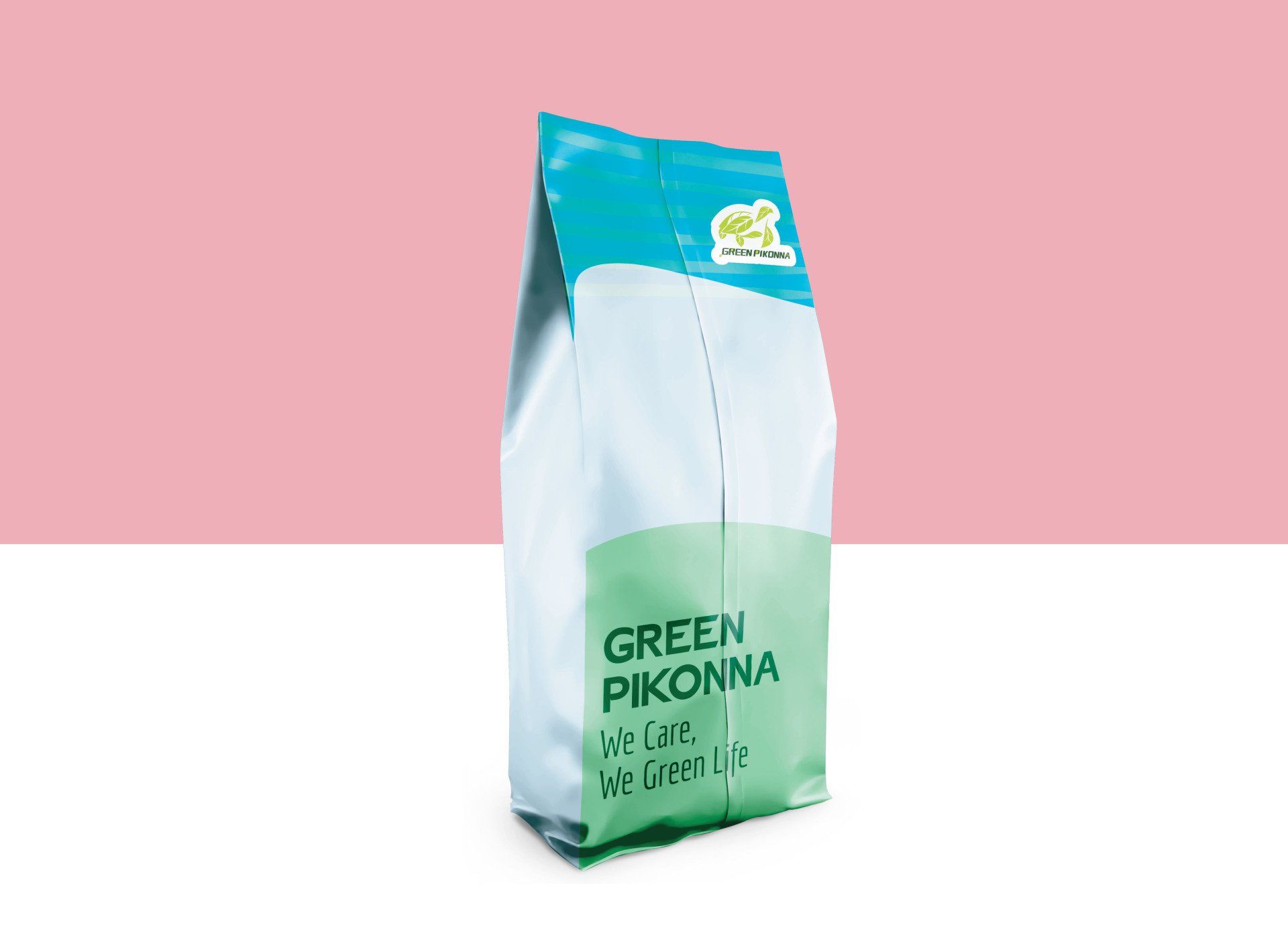


Plastic Product packaging is the science, art, and technology of enclosing or protecting products for distribution, storage, sale, and use. Product packaging also refers to the process of design, evaluation, and production of packages. Flexible packaging, Labelling refers to any written, electronic, or graphic communications on the packaging or on a separate but associated label.
Plastic Product Packaging Malaysia is heavily integrated into our daily lives, we see it all around us, on everyday items such as food packaging chocolate bars and crisp packets- As explained below, the main use for product packaging Malaysia is protection of the goods inside, but packaging also provides us with a recognisable logo, or flexible packaging, we instantly know what the goods are inside.
Product Packaging Malaysia and labeling have seven objectives:
* Protection against physical impact on object - The objects enclosed in the food packaging package may require protection from, among other things, damage caused by physical force, moisture, oxygen, rain, heat, cold, sunlight, pressure, airborne contamination, automated handling devices, or any combination of one or more of these.
* Protection against dust and dirt - In a modern supply chain products are subject to different environments. They start packed in boxes and stacked on a pallet. In about 80% the products end up in a distribution center for commissioning and fine distribution to the store where the product will be sold. During this period the physical Flexible packaging protection also applies to dust and dirt that can easily settle food packaging on the consumer plastic product packaging. Especially flexible plastic packaging products packed in plastic containers food packaging like shampoos, detergents and ketchups due to Flexible packaging static charging easily attract dust and dirt. As a consumer we don't want to get dirty hands when picking up a product from the shelf. Transportation packaging keeps our products clean and neat until the shelf and helps cut cleaning costs on the shop floor.
* Agglomeration - Small objects are typically grouped together in one plastic packaging-package for reasons of efficiency. For example, a single box of 1000 pencils requires less physical handling than 1000 single pencils. Alternatively, bulk commodities (such as salt) can be divided into packages that are a more suitable size for individual households.
* Information transmission - Information on how to use, transport, or dispose of the product is often contained on the package or label. An example is pharmaceutical products, where some types of information are required by governments.
* Marketing - The packaging and labels can be used by marketers to encourage potential buyers to purchase the product. Package design has been an important and constantly evolving phenomenon for dozens of years.
* Reducing theft - Some packages are made larger than they need to be so as to make theft more difficult. An example is software packages that typically contain only a single disc even though they are large enough to contain dozens of discs. These plastic packages Flexible packaging may food packaging also be deliberately difficult to open, to hamper thieves from removing their contents without drawing notice. Packages also provide opportunities to include anti-theft devices, such as dye-packs or electronic article surveillance tags, that can be activated or detected by devices at exit points and require specialized tools to deactivate. Using packaging in this way is a common tactic for loss prevention.
* Prevention of pilferage and tampering - Flexible packaging plsatic products are exposed to many contacts in the supply chain. Persons handling could steal products (pilferage), replace full products with empty ones or add unwanted contaminants to the contents (tampering). Packaging that cannot be re-closed or gets physically damaged (shows signs of opening) is very helpful in the prevention of these acts. The flaps of corrugated and cardboard boxes are therefore glued in such a way that any opening irreversibly damages them. The overpackaging of certain objects has led to a phenomenon known as wrap rage.
Food packaging's function are as diverse as they are important. They are broken down as follows.
1. Containment: For items that are granulated, paper-based plastic flexible packaging packages are the best with a sealing system to prevent moisture infiltration of the product. Other products are packaged using metal cans, plastic bags and food packaging bottles, and glass. Another factor in containment is packaging durability, meaning the packaged food has to survive transport from the packaging at the food processing facility to the supermarket to the home for the consumer.
2. Protection: The packaging must protect the food from biological agents in rats, insects, and microbes; from mechanical damage such as product abrasion, compressive forces, and vibration; and from chemical degradation such as oxidation, moisture transfer, and ultraviolet light.
3. Communication: Packaged food must be identified for consumer use mainly with label text and graphics. It can also be shown with the food package's shape such as the Coca-Cola bottle or the can of Spam. Other well known food package shapes include the potato chip bags and milk bottles. These packages also detail nutritional information, if they are kosher or halal-approved, manufacturer, product size (volume or weight-based), and the Universal Product Code (UPC).
4. Functionality: That the package is easy to use for both manufacturers and consumers. These Plastic flexible packaging products can be purchased all at once such as frozen pizza or as part of a larger package such as a twelve pack of beer. Another use may be to see if the package can go through a microwave process such as a TV dinner. Other items included pour spouts already on the bottles are other methods to ease dispensing of the product.
5. Environmental issues: This means that we must be done to reuse the food packaging, reducing the size of the packaging, and then recycling of the products to be remanufactured.
6. Package safety: That the Flexible packaging package be used for safety of the food from the package or vice versa. This includes any metal contamination issues from a can to the food product or any plastic contamination from a bottle to a food product as well.
Home | About Us | Products | Production | Quality | Contact | Sitemap
Copyright©TS PLASTIC SDN. BHD. 2006 - Product Packaging Manufacturer Malaysia